Get Central Heating Replacement
Central heating replacement services help property owners upgrade or install new heating systems, solving issues like inefficiency, breakdowns, or outdated equipment through professional projects.
If you are considering replacing your central heating system, you are in the right place to explore your options. Upgrading your heating can improve energy efficiency, enhance comfort throughout your property, and potentially reduce ongoing maintenance needs. Property owners in the area often evaluate replacement projects to ensure their homes remain warm and functional, especially as systems age or become less reliable. Continuing to read can help you gather the practical information needed to plan your project and compare local contractors who specialize in central heating replacements.
Finding the right service provider is an important step in any property upgrade. Local contractors experienced in central heating replacement can offer tailored solutions suited to your specific needs and property type. By comparing different local options, you can identify professionals who understand the requirements of your area and can deliver quality work. Keep reading to learn more about the process and how to connect with trusted local experts ready to assist with your heating upgrade.
- Central Heating Replacement - when an existing system is outdated or no longer functions efficiently.
- Emergency Heating Repairs - if the current heater breaks down unexpectedly during cold weather.
- System Upgrades - when homeowners want to improve energy efficiency or modernize their central heating setup.
- Heating System Installations - for new properties or renovations requiring a complete heating system setup.
- Routine Heating Maintenance - to ensure optimal performance and prevent future breakdowns of the central heating system.
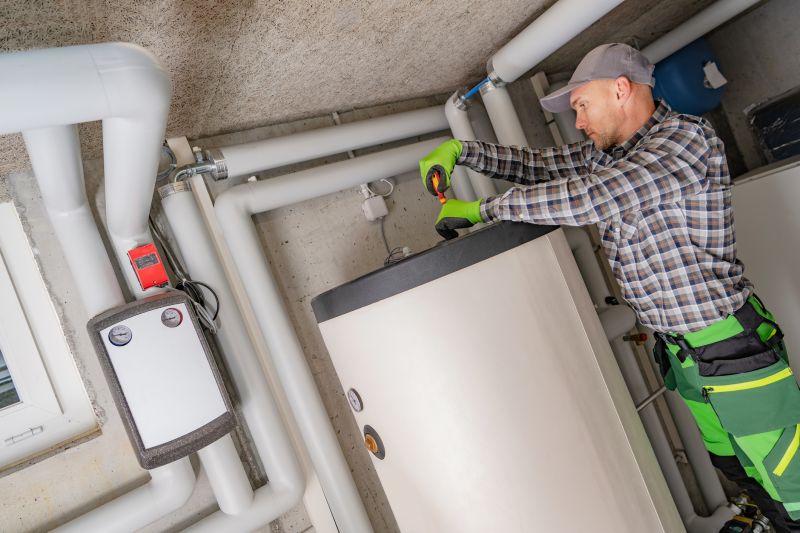
Central heating replacement services involve removing an outdated or malfunctioning heating system and installing a modern, efficient unit to provide reliable warmth throughout a property. This process typically includes removing the existing boiler or furnace, preparing the space for the new equipment, and ensuring all connections and components are properly installed for optimal operation. Service providers focus on delivering a seamless transition to a new heating system that meets the specific needs of the property, whether it’s a residential home or a commercial building.
These services help solve common heating problems such as inconsistent temperatures, rising energy bills, frequent breakdowns, or system noise. Over time, older boilers and furnaces can become less efficient, leading to higher utility costs and reduced comfort. Replacement services also address safety concerns related to aging equipment, such as leaks or corrosion, which can pose hazards if left unaddressed. Upgrading to a new system can improve overall energy efficiency, reduce maintenance needs, and ensure consistent, effective heating during colder months.
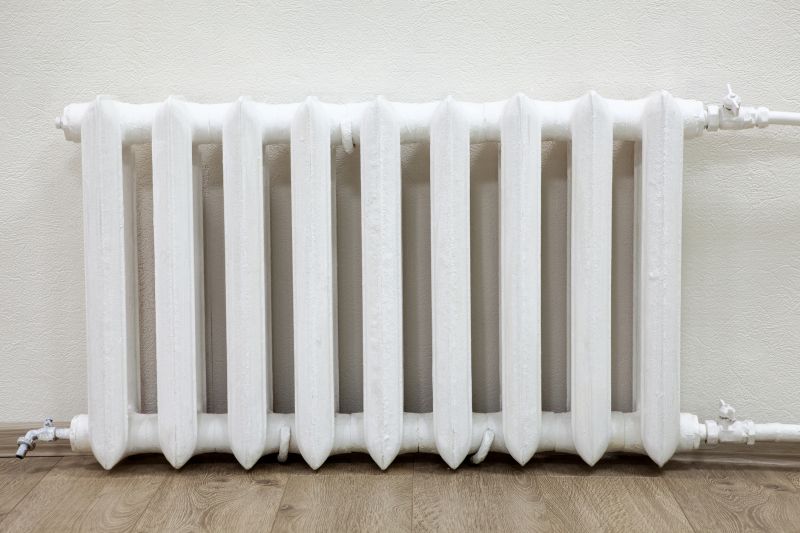
Central heating replacement is often needed in various types of properties, including single-family homes, multi-unit residences, and small commercial buildings. Homes with outdated or failing boilers, radiators, or furnaces are common candidates for replacement. Properties that have experienced frequent repairs or show signs of inefficiency-such as uneven heating or unusual noises-may benefit from an upgrade. Service providers are equipped to handle different property sizes and setups, ensuring that each system is tailored to the specific heating demands of the space.
Homeowners typically consider central heating replacement when their current system no longer functions properly or becomes too costly to repair. Signs that a replacement might be necessary include persistent breakdowns, rising energy bills, inadequate heating, or the presence of leaks and corrosion. Consulting with local contractors can help determine whether an upgrade is the best solution, and they can recommend the most suitable new system for the property’s size, layout, and heating needs. This ensures that the property remains warm and comfortable, now and into the future.
The overview below groups typical Central Heating Replacement projects into broad ranges so you can see how smaller, mid-sized, and larger jobs often compare in your area.
In many markets, a large share of routine jobs stays in the lower and middle ranges, while only a smaller percentage of projects moves into the highest bands when the work is more complex or site conditions are harder than average.
Smaller Repairs - minor heating system fixes and component replacements typically cost between $250 and $600. Many routine repairs fall within this range, depending on the specific parts needed and labor involved.
Partial Replacement - replacing certain parts of a central heating system, such as the thermostat or a section of ductwork, usually ranges from $1,000 to $3,000. Larger, more complex partial upgrades can push costs higher but are less common.
Full System Replacement - installing a new central heating system generally costs between $3,500 and $7,500. This range covers standard systems for average-sized homes, with larger or more advanced units reaching higher prices.
Complex or High-End Projects - extensive upgrades or high-efficiency systems can exceed $10,000, though these are less typical. Many local contractors handle projects in the middle ranges, with fewer jobs reaching the highest tiers.
Actual totals will depend on details like access to the work area, the scope of the project, and the materials selected, so use these as general starting points rather than exact figures.
Boiler Installation - local contractors can handle the installation and replacement of boilers, which involves similar planning and knowledge of heating systems as central heating replacements.
Radiator Replacement - replacing radiators requires understanding of heating layouts and plumbing skills, making it a related project for those upgrading a central heating system.
HVAC System Upgrades - upgrading or installing new HVAC systems involves similar planning, ductwork, and system integration skills as central heating replacements.
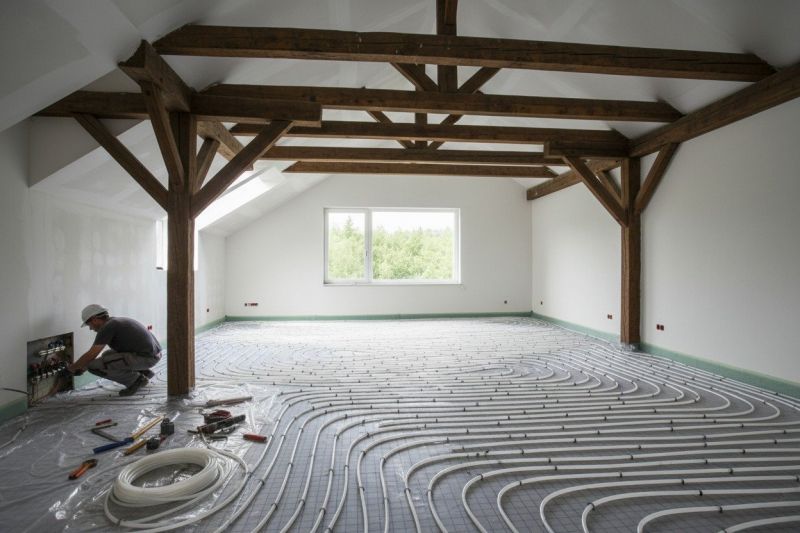
Underfloor Heating Installation - installing underfloor heating systems shares technical requirements and planning considerations with central heating upgrades.
Pipework Re-routing - rerouting or upgrading pipework involves plumbing skills and system layout planning akin to central heating system replacements.
Thermostat Installation - installing and configuring thermostats requires electrical and system knowledge similar to central heating system upgrades.
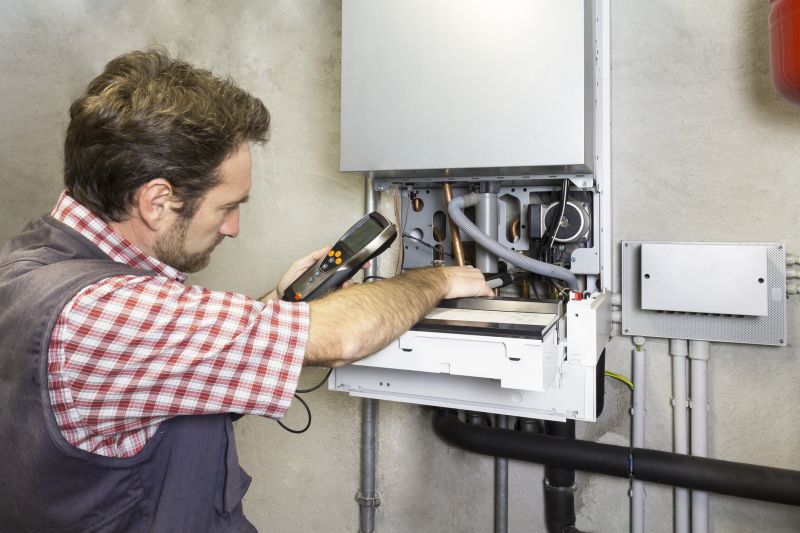
When comparing service providers for central heating replacement, it’s important to consider their experience with similar projects. Homeowners should look for local contractors who have a proven track record of handling heating system upgrades comparable to the scope of their own needs. This can help ensure that the professional is familiar with the specific requirements and challenges involved, leading to a smoother installation process and reliable results.
Clear, written expectations are essential when evaluating potential service providers. Homeowners should seek out contractors who can provide detailed estimates and scope of work in writing, outlining what is included and what is not. This transparency helps prevent misunderstandings and ensures that both parties are aligned on the project’s goals, making it easier to compare options and select a provider that meets their needs.
Reputable references and good communication are also key factors in choosing the right local contractor. Homeowners can ask for references from previous clients or look for online reviews to gauge the quality of past work. Additionally, a professional who communicates clearly, promptly, and openly can make the process more straightforward and less stressful. It’s important to remember that this site’s role is to introduce homeowners to qualified local options, not to perform the work itself, so taking the time to vet each contractor thoroughly can lead to a more satisfactory experience.
Property owners use Central Heating Replacement services for practical projects around their homes and businesses. This guide focuses on everyday jobs and straightforward project options.
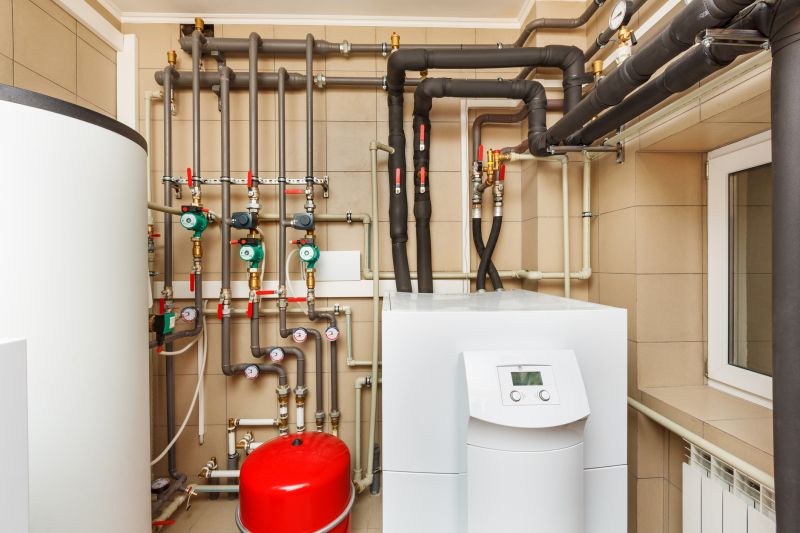
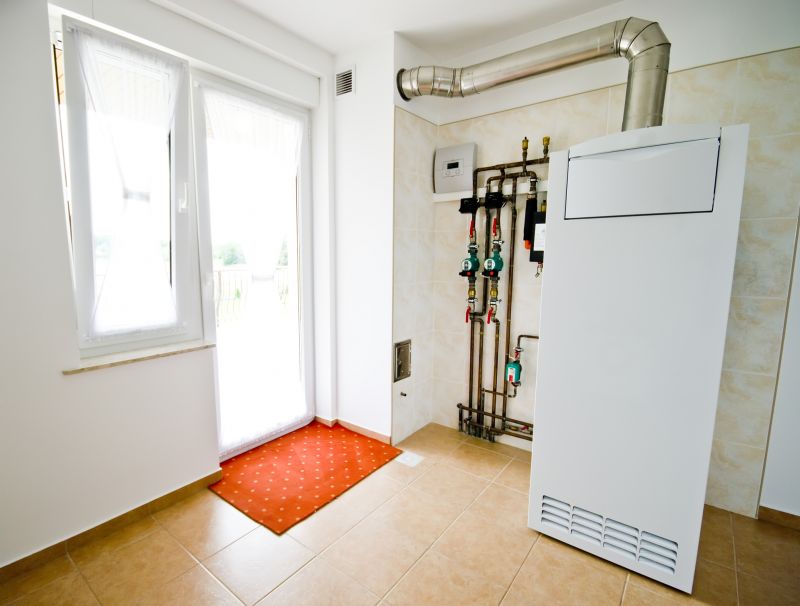
Central Heating Replacement services are often sought by property owners experiencing issues with their existing heating systems, such as frequent breakdowns, uneven heating, or rising energy bills. Homeowners may also consider replacing their central heating units when their current equipment becomes outdated or less efficient, especially as part of a broader effort to improve comfort and reduce ongoing maintenance costs. Local contractors are available to assess these situations, providing expert advice and solutions tailored to the specific needs of each property.
Additionally, property owners might look for central heating replacement when undertaking renovations or upgrades to their homes, aiming to enhance overall energy efficiency or accommodate new layouts. Whether upgrading to a more reliable system or replacing an aging unit, local service providers can handle the installation process, ensuring that the new system functions effectively and meets the demands of the household. Contacting local contractors can help property owners find the right solutions for their heating needs.
When should I consider replacing my central heating system? Replacement may be needed if your system is frequently breaking down, making unusual noises, or no longer providing adequate warmth efficiently.
What are the benefits of replacing an old central heating system? Upgrading can improve energy efficiency, reduce utility bills, and ensure reliable heating during colder months.
How do I find qualified contractors for central heating replacement? A variety of local service providers specialize in heating system replacements and can be found through trusted lead generation services that connect consumers with local professionals.
What types of heating systems are available as replacements? Common options include modern boilers, heat pumps, and high-efficiency furnaces, each suited to different home sizes and heating needs.
What should I consider before choosing a central heating replacement service? It's important to review the credentials, experience, and reputation of local contractors to ensure quality work and proper installation.
Assessing Heating System Efficiency - Property owners can explore replacing an outdated central heating system to improve energy efficiency and reduce utility bills.
Upgrading for Greater Comfort - Homeowners may consider a central heating replacement to ensure consistent warmth throughout their living spaces during colder months.
Preparing for a Home Renovation - Replacing the central heating system can be part of a larger renovation project to modernize a property and enhance overall comfort.
Addressing Heating System Failures - When existing heating units break down or become unreliable, property owners can look into central heating replacement services to restore reliable warmth.
If you are thinking about Central Heating Replacement for a property, this guide is meant to help you understand the work, the typical project types, and how different options might fit your plans.
When you are ready, you can use the quote form on this page to share a few details about your project. From there, local pros can review the basics and respond with options that match what you have in mind.